Shiva Purana
Kotirudra Samhita — Grishneshwar Mahatmya; the narrative of the devotee Kusuma-Ghushma and her co-wife's jealousy
Verul (Aurangabad / Chhatrapati Sambhajinagar District) · Maharashtra
Grishneshwar / Ghushmeshwar — Lord of Kusuma-Ghushma; the twelfth Jyotirlinga
अन्य नाम: Grishneshwar · Ghushmeshwar · Ghushmesh · Shiva of Verul · the Final Jyotirlinga
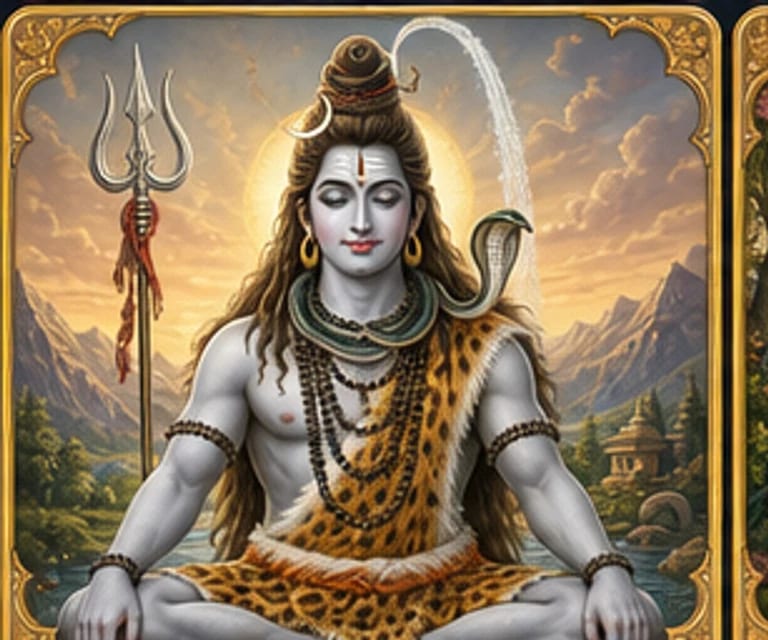
इस मन्दिर की विशेषता
Shri Grishneshwar (Shiva — the twelfth Jyotirlinga; associated with the Kusuma-Ghushma devotee narrative)
Swayambhu Shivalinga — the original linga in the garbhagriha
सम्प्रदाय: Shaiva
Kotirudra Samhita — Grishneshwar Mahatmya; the narrative of the devotee Kusuma-Ghushma and her co-wife's jealousy
Mahatmya of the Devagiri-Verul region
References to the Grishneshwar region
Adi Shankaracharya — 'Himalaye tu Kedaram Ghushmesham cha Shivalaye' — the fourth pada of the sixth verse; the final Jyotirlinga
05:30 से 21:30 तक · मध्याह्न विश्राम 12:30-13:00 (midday rest)
First aarti of the day
With bhog-arpana
The principal evening ritual — lamps, conch, bells
Last aarti of the day; temple closes
Darshan of the main Grishneshwar Jyotirlinga is free.
Fast darshan via a special ticket; verify the price at the official counter.
Arrangement of abhisheka with milk, honey and sacred water.
The supreme festival of the year — 4-prahar puja; extended darshan hours. 2026 — 15 February, Sunday.
Shiva upasana through the entire month; Rudrabhisheka every Monday
Special Shiva-Naga puja
Special Shiva-puja on Trayodashi evenings
By Adi Shankaracharya's Dwadasha Jyotirlinga Stotra, the final (twelfth) Jyotirlinga; the essential completion-tirtha of the 12 Jyotirlinga yatra
स्रोत: Dwadasha Jyotirlinga Stotra (Adi Shankaracharya)
The narrative of the devotee Kusuma-Ghushma — the archetype of unbroken Shiva-bhakti even in calamity; particular mahatmya for the health of progeny, the removal of calamities and domestic harmony
स्रोत: Shiva Purana Kotirudra Samhita
Only 1 km from the Ellora Caves (UNESCO World Heritage); a rare confluence of ancient art and tirtha-darshan
स्रोत: Sthala-parampara + UNESCO
34 rock-cut caves from the 5th-10th centuries — a unique confluence of Hindu, Buddhist and Jain tri-religious architecture; the famous 'Kailash Temple' (Cave 16) — the world's largest monolithic rock-cut Shiva temple; UNESCO Heritage since 1983. Essential alongside the Grishneshwar yatra.
An 8th-century creation of the Rashtrakuta dynasty; the world's largest single-rock-carved Shiva temple; an essential part of the Grishneshwar yatra
A 12th-century impregnable fort (formerly 'Devagiri'); on a 200-metre conical hill; among India's most ancient and strategic forts
A Taj-Mahal-style mausoleum built by Aurangzeb's son Azam Shah in memory of his mother Rabia-ud-Daurani
12 Buddhist rock-cut caves from the 5th-7th centuries
30 Buddhist rock-cut caves from the 2nd century BCE; world-famous for their mural paintings; UNESCO Heritage. A Grishneshwar-Ellora-Ajanta combined 3-day yatra.
The final (twelfth) Jyotirlinga — 'Ghushmesham cha Shivalaye' (the closing pada of Adi Shankaracharya's Dwadasha Jyotirlinga Stotra)
12 मंदिर
The final of Maharashtra's 3 Jyotirlingas; combined with Ellora
3 मंदिर
Central; a 3-day UNESCO + Jyotirlinga heritage combination