ॐ नमः शिवाय  |  जय श्री राम  |  हरे कृष्ण

Kathmandu · Bagmati Province

Shri Pashupatinath Temple

Pashupatinath — Lord of all beings (Shiva)

अन्य नाम: Pashupati · Pashupati-Nath · Nepal-Kailash · Lord of the Sleshmantak forest
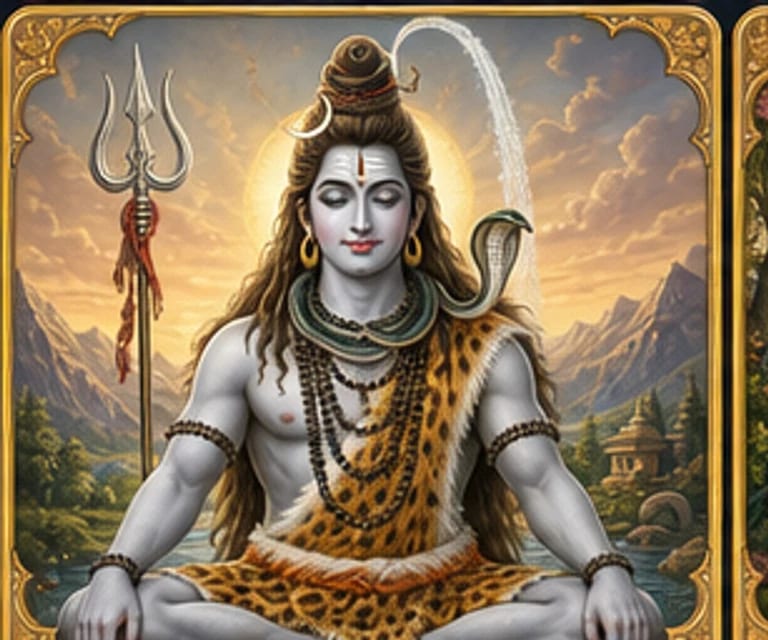
  • UNESCO World Heritage Site
  • Nepal's supreme Hindu tirtha
  • Principal Shiva-linga of the north…
Shri Pashupatinath Temple
स्वरूप
Chaturmukha
स्थान
Kathmandu · Bagmati Province
उत्तम ऋतु
October-March best
काल
Original pitha: extremely ancient

इस मन्दिर की विशेषता

  • UNESCO World Heritage Site (since 1979; foremost of the 7 monument groups of the Kathmandu Valley)
  • Nepal's supreme Hindu tirtha
  • Principal Shiva-linga of the northern direction described in the Shiva Purana Kotirudra Samhita
01
मूल विग्रह

मुख्य देव एवं स्वरूप

Shri Pashupatinath (Shiva — Lord of all beings; in the chaturmukha mukha-linga form)

Chaturmukha (four-faced) mukha-linga — a 1-metre stone linga with faces in four directions, mounted on a silver base wreathed with a silver serpent

सम्प्रदाय: Shaiva (Nepal's foremost Shaiva pitha; Adi Shankaracharya-established tradition of Karnataka-origin Bhatta priests)

02
स्थल-पुराण

कथा, इतिहास एवं महत्व

Shiva Purana

Kotirudra Samhita, Chapter 11 — mahatmya of the Shivalingas of the northern direction; Pashupatinath extolled as 'the bestower of all desires'

Skanda Purana

Nepal Mahatmya section — detailed account of the Pashupati region and the Sleshmantak forest

Linga Purana

Reference to the Pashupati form and the Pashupati-vrata

Gopalraj Vamsavali

Nepal's oldest royal chronicle — reference to the construction of the first five-storey temple by Lichchhavi king Supushpa Deva

संत एवं परम्परा

  • Lichchhavi king Supushpa Deva — traditionally credited with the construction of Pashupatinath's first five-storey temple; the Gopalraj Vamsavali places him 39 generations before Manadeva
  • Lichchhavi king Jayadeva II — installed an inscription in the Pashupatinath courtyard in 753 CE; authoritative documentation of Pashupati history
  • Adi Shankaracharya — founder of the tradition of appointing Karnataka-origin Bhatta brahmins as Pashupatinath's chief priests; an effort to bind India's north and south
  • Malla king Bhupatindra Malla (1692 CE) — rebuilt the present main pagoda-style temple; gold-gilded roof and silver-plated doors

ऐतिहासिक घटनाक्रम

  1. 100Approximately 1st-2nd century CE — construction of the first five-storey Pashupatinath temple by Lichchhavi king Supushpa Deva (per the Gopalraj Vamsavali)Gopalraj Vamsavali via PADT + Wikipedia
  2. 753753 CE — Lichchhavi king Jayadeva II installed an inscription in the Pashupatinath courtyard; authoritative documentation of Pashupati historyWikipedia + PADT
  3. 16921692 CE — the present main structure was rebuilt in the Malla period (after the earlier structures were damaged by termites and earthquakes); Newari pagoda style; two-tier gold-gilded copper roof; silver-plated doors; 23.07 metres from base to pinnacle. (Wikipedia confirms the year of reconstruction; some sources credit the Malla king Bhupatindra Malla as the builder — this is not confirmed by Wikipedia.)Wikipedia + Britannica + Shanker Hotel UNESCO
  4. 19791979 — UNESCO designated Pashupatinath as a World Heritage Site (foremost of the 7 monument groups of the Kathmandu Valley). The total extent of the Pashupati region is 246 hectares; 518 mini-temples are included.UNESCO + Shanker Hotel
  5. 2015April 2015 — many monuments of the Kathmandu Valley were damaged in the Nepal earthquake (M 7.8); the main Pashupatinath temple was safe; some smaller temples within the complex were restored.UNESCO post-earthquake reports
03
नित्य उपासना

दर्शन समय एवं आरती

Mangala Aarti / morning ritualBegins at 05:00
Daily

Sanctum opens at 5 AM (Wikipedia confirmed); the outer complex is accessible from 4 AM

Nitya Abhisheka and Bhog09:00-12:00
Daily
Bagmati Sandhya Aarti (riverside)18:00 (30 minutes before sunset)
Daily

Grand ritual on the banks of the Bagmati — lamp aarti, mantra chanting; akin to the Kashi-Ganga aarti. Non-Hindus too may view from the western bank of the Bagmati.

Sanctum Evening Ritual17:00-19:00 (seasonally until 18:30 or 20:00)
Daily

The day's last sanctum ritual; outer complex open until 21:00

04
दर्शन

दर्शन के प्रकार

General Darshan (Hindus only)निःशुल्क
समय
04:00-11:00 and 15:00-21:00
उपयुक्त
Hindu devotees

Only Hindu devotees are permitted inside the sanctum. Darshan of the main Shivalinga is free.

Foreign tourist entry fee (outer complex)
उपयुक्त
Non-Hindu tourists

Entry fee for the outer complex for foreign tourists is NPR 1,000 (set by PADT). Nepali and Indian citizens and children under 10 enter free. Verify the fee at the counter.

Special Puja and Abhisheka (Online Booking)
उपयुक्त
Devotees with specific sankalpa

Online special puja and abhisheka booking via the official PADT website.

05
उत्सव

प्रमुख पर्व एवं उत्सव

MahashivratriPhalguna Krishna Chaturdashi

Pashupatinath's highest annual festival. Temple gates open from 2:15 AM; over 10 lakh devotees arrive from Nepal, India and across the world. 4-prahar puja (morning, midday, evening, midnight). 2026 — 15 February, Sunday.

Teej (Haritalika Teej)Bhadrapada Shukla Tritiya

The principal vrata festival for Nepali women; lakhs of women arrive in red sarees for Pashupatinath darshan; vows for the longevity of husbands and, for the unmarried, for a suitable spouse

Bala ChaturthiMargashirsha Krishna Chaturthi

Local festival of the Pashupati region; night of Pashupati aradhana

Shravana MonthShravana

Shiva upasana for the entire month; special Rudrabhisheka every Monday; Nepali Kanwariyas and Indian devotees

06
आस्था

मनोकामना एवं फल

Fulfilment of all desires and moksha

Per the Shiva Purana Kotirudra Samhita, Pashupatinath is the 'bestower of all desires' and the giver of liberation

स्रोत: Shiva Purana Kotirudra Samhita Chapter 11

Last rites and pitr-mukti

Arya Ghat and Bhasmeshwar Ghat on the Bagmati banks within the Pashupati region are the most sacred Hindu cremation sites; bestower of pitr-moksha

स्रोत: Skanda Purana Nepal Mahatmya

Freedom from pashu-papa and the blessings of all living beings

'Pashupati' = Lord of all beings; the deity of pashu-papa-mukti and the ahimsa vow; the deity of all creatures and the protection of the environment

स्रोत: Linga Purana + Shiva Purana

07
जप

मन्त्र एवं स्तोत्र

  • Pashupatinath Ashtakam / StotraStotraSthala-parampara and Shiva-stuti traditionइस मन्दिर हेतु
  • Mahamrityunjaya Mantra — 'Om Tryambakam Yajamahe...'MantraRigveda 7.59.12Principal mantra of Pashupatinath abhisheka and Rudrabhisheka
  • Om Namah Shivaya — Panchakshara MantraMantraYajurveda Rudradhyaya
  • Shri Rudram ChamakamStotraYajurveda, Taittiriya SamhitaPrincipal Vedic stotra of Pashupati upasana
08
तीर्थाटन

समीप के तीर्थ एवं परिपथ

Guhyeshwari Temple (51 Shakti Pitha)1 किमी

Dedicated to Devi Sati — one of the 51 Shakti Pithas. Critically important for Tantra-Shakta upasakas. Essential alongside the Pashupatinath yatra.

Arya Ghat100 मी

Nepal's supreme sacred cremation site; the last rites of the Nepali royal family are performed here

Bhasmeshwar Ghat200 मी

Wood-pyre cremation ghat for the general public; the Bhasmeshwar Mahadev Shivalinga; Kathmandu's principal ritual-rites site

Gauri Ghat500 मी

The entry point of the Bagmati into the Pashupati region; tradition of Gauri-Shiva-snan

Kirateshwar Temple800 मी

Kirateshwar Shiva — temple of Shiva in the Kirata form; on the Pashupati-Guhyeshwari route

Sleshmantak Forest1.5 किमी

Mythological site of the Shiva-Parvati deer-lila; the Pashupati origin story (Shiva in the deer form and the broken-horn narrative) is associated with this forest; natural part of the 264-hectare Pashupati region

Boudhanath Stupa2 किमी

Among the largest Buddhist stupas in the world; UNESCO World Heritage. An essential part of any Kathmandu religious yatra.

Nepal Hindu Tirtha Yatra (Pashupatinath + Muktinath + Janakpur)

Nepal's supreme Hindu tirtha; combined yatra with Muktinath (Vishnu-Dham) and Janakpur (Sita-Janmabhumi)

3 मंदिर

Kathmandu UNESCO Heritage Yatra (Pashupatinath + Swayambhunath + Boudhanath + Bhaktapur + Patan Durbar)

Foremost Hindu tirtha among the 7 UNESCO monument groups of the Kathmandu Valley

7 मंदिर

Pashupati region tirtha cluster (Pashupatinath + Guhyeshwari + Arya Ghat + Bhasmeshwar + Sleshmantak forest)

Central; 246-hectare region; 518 mini-temples; full yatra in 1 day

Kailash-Mansarovar + Pashupatinath combined yatra (pilgrimage route)

Kathmandu-Pashupatinath darshan is traditional before and after the Kailash-Mansarovar yatra

09
मार्गदर्शन

यात्रा एवं संपर्क

पता
Pashupatinath Temple, Pashupati Area Development Trust (PADT), Gaushala, Kathmandu — 44621, Bagmati Province, Nepal
हवाई अड्डा
Tribhuvan International Airport (KTM), Kathmandu — ~4 km from Pashupatinath (15-20 minutes)
रेलवे
Nepal's railway network is limited; nearest Indian railhead: Raxaul (RXL, Bihar) — ~150 km by road; from Jaynagar (JYG, Bihar) via the Janakpur train + road ~370 km
उत्तम ऋतु
October-March best; temperatures 5-22°C; clear darshan. Bagmati riverside is stunning in the monsoon (June-September). Peak crowds at Mahashivratri (February) — 10 lakh+.
4 किमीTribhuvan Airport
5 किमीKathmandu city centre
13 किमीBhaktapur
6 किमीPatan
200 किमीPokhara
150 किमीRaxaul
280 किमीLumbini
Shri Pashupatinath Temple — दर्शन, आरती, इतिहास एवं यात्रा | Pauranik | Pauranik