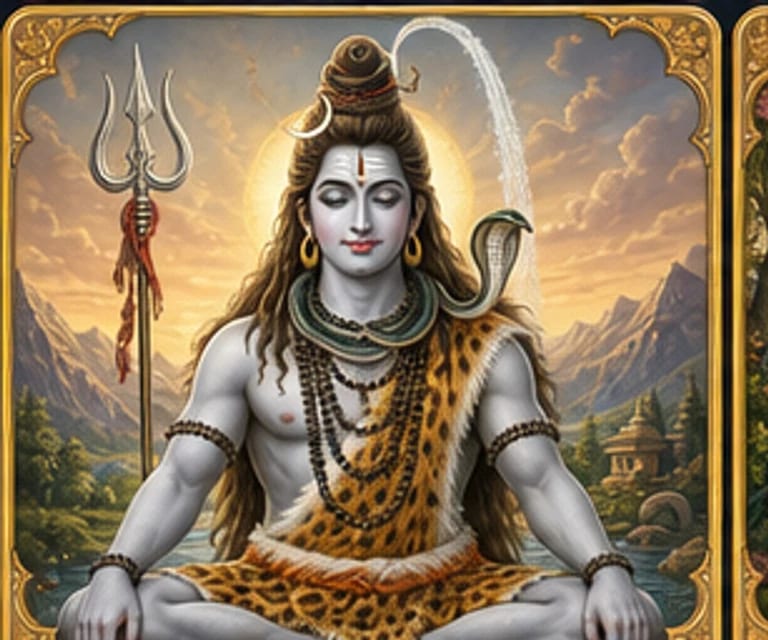
ॐ नमः शिवाय  |  जय श्री राम  |  हरे कृष्ण

Hampi · Karnataka

Sri Virupaksha Temple

Sri Virupaksha Temple — Hampi (Pampa Kshetra), Vijayanagara District, Karnataka

Sri Virupaksha (a Shiva form) — Pampa-pati; UNESCO World Heritage Site 'Group of Monuments at Hampi' 1986; among India's oldest continuously-worshipped Hindu temples (7th-century origin; 9-10th-century inscriptional evidence); the kula-devata tirtha of the Vijayanagara empire (1336-1565)

अन्य नाम: Virupaksha Temple · Pampa-pati Temple · Hampi Main Temple

  • UNESCO World Heritage Site 'Group…
  • Among India's oldest continuously-…
  • Pampa-kshetra tirtha
  • The world-famous pinhole-camera in…
Sri Virupaksha Temple
दर्शन समय
06:00 – 21:00
स्वरूप
Virupaksha Shivalingam
स्थान
Hampi · Karnataka
उत्तम ऋतु
Maha Shivaratri 15 February 2026
काल
7th-century CE origin

इस मन्दिर की विशेषता

  • UNESCO World Heritage Site 'Group of Monuments at Hampi' 1986 (4,100 hectares; 1,600+ surviving monuments); inscribed under criteria (i), (iii), (iv); Vijayanagara empire capital 1336-1565; after the 1565 Battle of Talikota destruction the Virupaksha temple alone remained in continuous worship
  • Among India's oldest continuously-worshipped Hindu temples (7th-century origin; 9-10th-century inscriptional evidence of Shiva); Chalukya + Hoysala-era expansions; Vijayanagara-era apex
  • Pampa-kshetra tirtha — Parvati (as Pampa) performed tapasya on Hemakuta Hill to wed Shiva; the ancient name of the Tungabhadra river is 'Pampa'
  • The world-famous pinhole-camera inverted-image phenomenon — the inverted shadow of the East Raya Gopuram projected via a small aperture on the western wall of the temple into the Ranga Mandapa area; a natural camera-obscura principle demonstration
  • 9-storey East Raya Gopuram ~50 m (the tallest structure at Hampi); built of brick over a stone base
  • Site of Krishnadevaraya's coronation-commemorative 1510 CE Ranga Mandapa construction; the underground Shivalaya (Prasanna Virupaksha) holds a 1513 inscription recording Krishnadevaraya's coronation-commemorative grant
01
मूल विग्रह

मुख्य देव एवं स्वरूप

Sri Virupaksha (a Shiva-form Shivalingam); consort: Devi Pampa (the local goddess of the Tungabhadra river — anciently named Pampa); upadevathas: Bhuvaneshwari, Surya, Chandra, Ganapathi, Subrahmanya, Nandi

Virupaksha Shivalingam; the temple on the Tungabhadra bank adjacent to Hemakuta Hill; Devi Pampa performed tapasya here to wed Shiva (the Pampa-pati narrative)

सम्प्रदाय: A Shaiva-Shakta convergence (Virupaksha + Pampa); kula-devata of the Vijayanagara empire; two-tier administration — Archaeological Survey of India (ASI) for monument conservation as a World Heritage site (the 2023 ASI-vs-Karnataka-state dispute confirmed the split jurisdiction); religious activity governed by Karnataka Muzrai

02
स्थल-पुराण

कथा, इतिहास एवं महत्व

The Pampa-pati narrative (the Pampa-kshetra origin)

Hampi's ancient name is 'Pampa-kshetra' — the Vedic/Puranic name of the Tungabhadra river is 'Pampa'. Parvati performed severe tapasya on Hemakuta Hill to wed Shiva and, as Devi Pampa, married Virupaksha-Shiva — so Virupaksha = Pampa-pati; the Hampi Bazaar near the temple and the Hemakuta Hill summit are the central tirtha-sites of the Shiva-wedding tradition.

The Kishkindha Kanda narrative (Ramayana site)

Per the Kishkindha Kanda of the Ramayana, the Pampa kshetra is where Rama and Lakshmana, during the search for Sita, met Hanuman and Sugriva; Anjanadri Hill (the Karnataka claim for Hanuman's birthplace) is nearby; the Matanga rishi ashrama site; and per tradition, the Shabari-Rama meeting site.

Vijayanagara empire historical account (1336-1565)

Harihara and Bukka Raya founded the Vijayanagara empire (1336 CE) and made Hampi the capital, declaring Virupaksha the kula-devata. Lakkana Dandesha (a chieftain under Deva Raya II in the 15th century) carried out the large-scale construction. Krishnadevaraya (reign 1509-1529) built the central Ranga Mandapa in 1510 CE as a commemoration of his 1509 coronation and expanded the East Raya Gopuram. The 1513 inscription at the underground Shivalaya (Prasanna Virupaksha) records Krishnadevaraya's grant. After the 23 January 1565 Battle of Talikota defeat, Hampi was destroyed but the Virupaksha temple alone remained in continuous worship.

The pinhole-camera inverted-image natural phenomenon

The inverted shadow of the East Raya Gopuram (the 9-storey ~50 m tower) is projected through a small aperture on the western wall of the temple onto the inner wall of the Ranga Mandapa area — a documented demonstration of the ancient camera-obscura principle; cited across multiple sources.

The Lakshmi-elephant blessings tradition

The resident temple elephant 'Lakshmi' blesses devotees with a trunk touch on the head — a world-renowned experience of the Hampi darshan.

संत एवं परम्परा

  • Devi Pampa / Parvati — central to the Pampa-pati narrative; her Hemakuta Hill tapasya
  • Harihara and Bukka Raya — founders of the Vijayanagara empire (1336); declarers of Virupaksha as kula-devata
  • Lakkana Dandesha (a 15th-century chieftain under Deva Raya II) — the large-scale temple builder
  • Krishnadevaraya (reign 1509-1529) — builder of the 1510 central Ranga Mandapa; expander of the East Raya Gopuram; 1513 underground Shivalaya donor
  • Archaeological Survey of India (ASI) — the modern World-Heritage monument-conservation authority
  • Karnataka Muzrai (HR&CE) — the modern religious-activity governance

ऐतिहासिक घटनाक्रम

  1. 7007th-century CE — Virupaksha founded as a Shaiva site (archaeological evidence)Wikipedia + Karnataka.com multi-source
  2. 9509-10th centuries — Shiva-related inscriptions beginWikipedia multi-source
  3. 1336Harihara and Bukka Raya found the Vijayanagara empire; Hampi capital; Virupaksha kula-devataWikipedia + Britannica multi-source
  4. 150015th century — Lakkana Dandesha (under Deva Raya II) carries out the large-scale temple constructionWikipedia + Karnataka.com
  5. 1509Krishnadevaraya's coronation; 1510 central Ranga Mandapa construction beginsWikipedia multi-source
  6. 15131513 inscription at the underground Shivalaya (Prasanna Virupaksha) records Krishnadevaraya's coronation-commemorative grantWikipedia Prasanna Virupaksha + Karnataka.com
  7. 1565After the 23 January 1565 Battle of Talikota defeat, Hampi is destroyed; the Virupaksha temple alone remains in continuous worshipWikipedia Hampi + Britannica multi-source
  8. 1986Declared a UNESCO World Heritage Site 'Group of Monuments at Hampi'UNESCO + ASI multi-source
  9. 2026Hampi Utsav November schedule restored (per CM decision in 2025; after COVID, the February schedule is being dropped)Deccan Chronicle 2025-12 + Karnataka Tourism
03
नित्य उपासना

दर्शन समय एवं आरती

06:00 से 21:00 तक · मध्याह्न विश्राम 12:30-17:00

Temple opens + morning abhisheka06:00
Daily
Ucha Puja (midday)12:00
Daily
(Temple midday break)12:30-17:00
Daily
Evening darshan resumes17:00
Daily
Evening Deepa Aarti (at sunset)~18:30
Daily
Night closing puja21:00
Daily

वस्त्र-संहिता: Traditional Indian attire recommended; men in dhoti/pants; women in saree/salwar-suit; shorts forbidden (strictly enforced inside the sanctum)

फोटोग्राफी: Outer-courtyard photography allowed (Rs.50 camera fee per single source); sanctum photography forbidden; authority permission required

विशेष नियम: ASI centrally-protected monument — free entry (special darshan Rs.25 per single source); sanctum photography forbidden; midday break 12:30-17:00 (multi-source consensus); the daily-time conflict across sources means a pre-call to the temple is recommended; a Tungabhadra-river bath before darshan is traditional

04
दर्शन

दर्शन के प्रकार

General Free Darshanनिःशुल्क
समय
06:00-12:30 + 17:00-21:00

Darshan of the Virupaksha Shivalingam + the Bhuvaneshwari shrine + Nandi; outer view of the 9-storey Raya Gopuram.

Special Darshan (per source Rs.25; single-source flag)₹25

A faster-queue darshan.

Pinhole-camera inverted-image darshan (East Raya Gopuram projection)निःशुल्क

A natural camera-obscura phenomenon on the inner wall of the Ranga Mandapa area; a world-renowned experience.

Lakshmi-the-elephant blessingनिःशुल्क

The resident temple elephant 'Lakshmi' blesses with a trunk touch on the head.

Maha Shivaratri annual darshan (15 February 2026)निःशुल्क

All-night four-prahara abhisheka and jagarana; the principal annual festival.

Virupaksha-Pampa Kalyanotsava darshan (December)निःशुल्क

The annual divine wedding ceremony; deity processions.

Hampi Utsav (November 2026 restored)निःशुल्क

A ~3-day Karnataka-government-organised cultural festival of dance, music, and culture; the November schedule restored from 2026.

05
उत्सव

प्रमुख पर्व एवं उत्सव

Maha ShivaratriPhalguna Krishna Chaturdashi; 2026: 15 February 2026

All-night four-prahara abhisheka and jagarana; the principal annual festival

Virupaksha-Pampa Kalyanotsava (the annual wedding ceremony)December (Phalapuja + wedding)

The annual divine wedding; deity processions

Rathotsava (the annual chariot festival)Phalguna (February-April; source disagreement)

Virupaksha utsava-murti chariot procession

Hampi Utsav (Karnataka government-organised)November (restored from 2026; after COVID held in February for several years)

A ~3-day state-level cultural festival of dance and music

Kishkindha-parva (Ramayana commemoration)Special tithis

Commemoration of the Hanuman-Sugriva-Rama meeting site

06
आस्था

मनोकामना एवं फल

Maha Shivaratri vrata sankalpa (15 February 2026)

All-night four-prahara abhisheka and jagarana; a UNESCO World Heritage Shiva-tirtha Shivaratri sankalpa tirtha

स्रोत: Shiva Purana + tradition

Virupaksha-Pampa Kalyana darshan sankalpa (a marital sankalpa)

The annual December divine wedding; central to the Pampa-pati narrative; a marital-relationship sankalpa tirtha

स्रोत: Wikipedia + Hampi.in multi-source

Virupaksha-Shivalingam abhisheka sankalpa (1300+ years of continuous worship)

Among India's oldest continuously-worshipped Hindu temples; 7th-century origin; an abhisheka sankalpa tirtha

स्रोत: Wikipedia + Karnataka.com + ASI multi-source

UNESCO World Heritage Hampi pilgrimage sankalpa

The 4,100-hectare Hampi group with 1,600+ surviving monuments; Virupaksha = the sole continuously-worshipped temple; a World-Heritage darshan sankalpa tirtha

स्रोत: UNESCO + ASI multi-source

Kishkindha-Ramayana site pilgrimage sankalpa

Centre of the Ramayana's Kishkindha Kanda; the Rama-Hanuman-Sugriva meeting site; near Anjanadri (the Karnataka claim for Hanuman's birthplace) + the Matanga rishi ashrama + the Shabari-Rama meeting site

स्रोत: Valmiki Ramayana Kishkindha Kanda + tradition

Lakshmi-the-elephant blessing sankalpa

The resident temple elephant 'Lakshmi' blesses with a trunk touch on the head — a world-renowned experience of the Hampi darshan

स्रोत: Multiple travel sources multi-source

07
जप

मन्त्र एवं स्तोत्र

  • Shiva Panchakshari mantra (Om Namah Shivaya)Panchakshari mantraShaiva tradition
  • Virupaksha AshtakamAshtaka stotraHampi Shaiva traditionइस मन्दिर हेतु
  • Sri Rudram + Chamakam (Mahanyasa)Vedic stotraKrishna Yajurveda Taittiriya SamhitaTraditionally recited during abhisheka
  • Pampa StotramDevi stotraHampi Shaiva-Shakta traditionइस मन्दिर हेतु
08
तीर्थाटन

समीप के तीर्थ एवं परिपथ

Hemakuta Hill Shiva-tirtha cluster200 मी

The site of Pampa-Parvati's tapasya; many small Shiva temples; central to the Pampa-pati narrative

Manmatha Pushkarini (Manmatha tirtha)100 मी

The temple's adjacent tank; near a 1199 CE inscription Durga shrine; (Pampa Pushkarini is a separate tirtha near Anjanadri — they are not the same)

Underground Shivalaya (Prasanna Virupaksha)1.5 किमी

A separate 14th-century Shiva temple; 1513 Krishnadevaraya coronation-commemorative grant inscription; rediscovered in the 1980s; closed during the monsoon due to flooding

Vittala Temple + the Stone Chariot2 किमी

The apex of Vijayanagara architecture; the famous 'musical pillars' (touch-the-pillar music); the Stone Chariot — depicted on India's Rs.50 currency note

Anjanadri Hill (the Karnataka claim for Hanuman's birthplace)5 किमी

Centre of the Ramayana's Kishkindha Kanda; the Karnataka claim for Hanuman's birthplace

Lotus Mahal + Queen's Bath + Elephant Stables3 किमी

Vijayanagara royal architecture; an Indo-Islamic convergence

Tungabhadra river ghat + Hampi Bazaar (Virupaksha Bazaar)50 मी

A historic colonnaded bazaar street fronting the temple; a Tungabhadra bath before darshan is traditional

UNESCO World Heritage Hampi Group of Monuments pilgrimage

The sole continuously-worshipped temple; the central tirtha of the 4,100-hectare group

1600 मंदिर

Kishkindha-Ramayana tour (Hampi + Anjanadri + Matanga ashrama + Shabari site)

Centre of the Rama-Hanuman-Sugriva meeting site (on the Pampa bank)

5 मंदिर

Pampa-kshetra Shaiva-Shakta convergence pilgrimage

The Virupaksha-Pampa wedding tirtha; Hemakuta Shiva-tirtha cluster + Tungabhadra-river tirtha

3 मंदिर

Vijayanagara empire historical tour (Hampi + Pattadakal + Badami + Aihole)

The Vijayanagara kula-devata tirtha; the Vijayanagara capital centre

4 मंदिर

09
मार्गदर्शन

यात्रा एवं संपर्क

पता
Sri Virupaksha Temple, Hampi (Pampa Kshetra), Vijayanagara District, Karnataka — PIN 583239 (south bank of the Tungabhadra)
हवाई अड्डा
Jindal Vijayanagar Airport (VDY) — ~37 km; Hubli HBX — ~150 km alternative
रेलवे
Hospet (Hosapete) Junction (HPT) — 13-14 km from the temple
बस-स्टैण्ड
Hospet bus stand; regular Karnataka RTC bus service to Hampi
उत्तम ऋतु
Maha Shivaratri 15 February 2026; Virupaksha-Pampa Kalyanotsava December; Hampi Utsav November 2026 (restored); Rathotsava Phalguna (February-April); winter months (November-February) most comfortable; in the monsoon (June-September) the Tungabhadra runs high and the underground Shivalaya floods
प्रबन्धन
Two-tier administration — Archaeological Survey of India (ASI) for the UNESCO World Heritage monument conservation (the 2023 ASI-vs-Karnataka-state dispute confirmed the split jurisdiction); religious activity governed by the Karnataka Hindu Religious & Charitable Endowments Department (Muzrai / HR&CE)
वेबसाइट
https://asi.nic.in
13 किमीHospet Junction Railway
37 किमीJindal Vijayanagar Airport
150 किमीHubli
350 किमीBangalore
370 किमीHyderabad
350 किमीGoa
320 किमीBelur-Halebidu
Sri Virupaksha Temple — दर्शन, आरती, इतिहास एवं यात्रा | Pauranik | Pauranik